
March 24, 2022
Mediterranean Beef Stew
Mediterranean Beef Stew
INGREDIENTS
- 1 kg (2.2 lbs) stewing beef (See note 1)
- 1 tsp sea salt
- 1/2 tsp freshly ground black pepper
- 3 tbsp olive oil (See note 2 and 3)
- 1 large brown/yellow onion – cut into small cubes
- 4 cloves garlic – roughly chopped
- 800 g (28 ounces) crushed tinned tomatoes
- 1 cup (250 ml) beef stock (See note 4)
- 3 tsp fresh rosemary – finely chopped finely chopped
- 1/4 tsp chilli flakes – optional
- 2 large zucchini/courgette cut into slices 1 cm (1/3″) wide
- 2 large red capsicum/bell peppers cut into 2 ½ cm (1”) squares
- 1/2 cup Kalamata olives – pitted
- 3 tbsp fresh parsley – roughly chopped divided
- sea salt and black pepper to taste
METHOD
- Cut your meat into cut into 3 ½ cm (1 ¼ " cubes) or buy pre-cut meat.
- Pat the cubed meat dry with paper towels. This will help the meat to form a nice brown crust when seared.
- Sprinkle the beef with salt and pepper.
- Heat 2 tablespoons of oil, over high heat, in a large, heavy-based Dutch Oven or saucepan with a tight-fitting lid. The oil should not smoke. You will notice that the oil is hot and ready to use when it begins to shimmer.
- Add 1/3 of the beef to the pan. Brown the meat for several minutes on all sides. See Note 5.
- Remove the meat to a plate and set it aside. Repeat with the remaining beef, adding more oil if necessary.
- Turn the heat down to low. Add a little extra oil if necessary.
- Add the onion and cook for about 2 minutes, stirring occasionally, then add the garlic and cook a further minute and stir again to ensure the garlic doesn’t burn.
- Return the cooked beef, including any juices, to the pan.
- Add the tomatoes, beef stock, rosemary and chilli flakes (if using). Stir well.
- Bring to a simmer, cover the pan and cook for 1 ½ – 2 hours or until the meat is almost at perfect tenderness. Stir occasionally.
- Add the zucchini and capsicum, stir well and cover again. Cook for 30 minutes. Stir halfway through and add a little more water if necessary.
- Add the olives and 2 tablespoons of parsley. See Note 6.
- Check the seasoning, adding additional salt, pepper or chilli flakes to taste.
- Turn into a serving dish or serve, family-style, at the table in the pan in which it was cooked.
- Add some extra parsley just before serving.
- Serve with rice, mashed potato, crusty bread or buttered noodles. See Note 7
NOTES
- For long, slow cooking, choose a cut such as chuck steak or boneless shin/shank/gravy beef. Lean meats do not suit this method of cookery; they will become tough and dry.
- Start cooking the beef with 2 tablespoons of oil and add extra if you need it to finish cooking the beef or when adding the onion.
- The Australian tablespoon is 20 ml or 4 teaspoons. In many countries, the tablespoon is 15 ml or 3 teaspoons. Please adjust the recipe accordingly if necessary.
- You can use homemade or good quality beef stock. If you don’t have beef stock, you can use chicken stock. The flavour will not be quite as robust but your dish will not taste like chicken.
- It is important to not “play” with the meat. If you try to turn it too soon it will stick to the pan. It will turn easily when it has formed a brown crust. This is an exercise which requires patience. If moved too much, the meat will release its juices and steam rather than fry. Browning the beef gives the meat an appetizing colour and adds tremendous depth of flavour.
- To obtain maximum flavour and freshness of the parsley, add it at the end of cooking.
- For buttered noodles, boil the pasta of your choice until it is al dente, toss in a bowl with some butter, salt, pepper and chopped parsley.
- Please note, the nutritional information is based on this dish serving six people. It does not include what the dish is served with. The nutritional information is an estimate only.
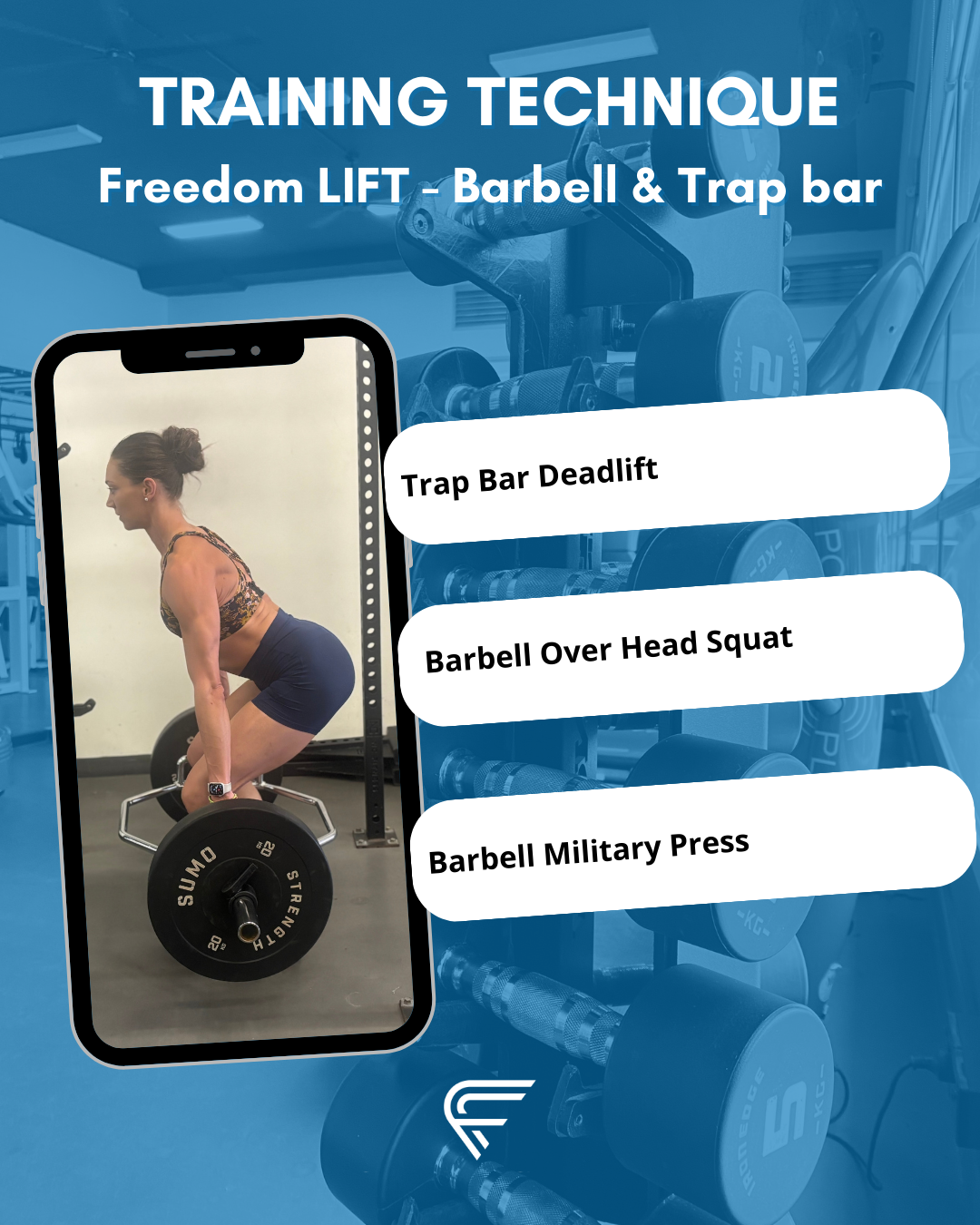
Barbell & Trap Bar Training
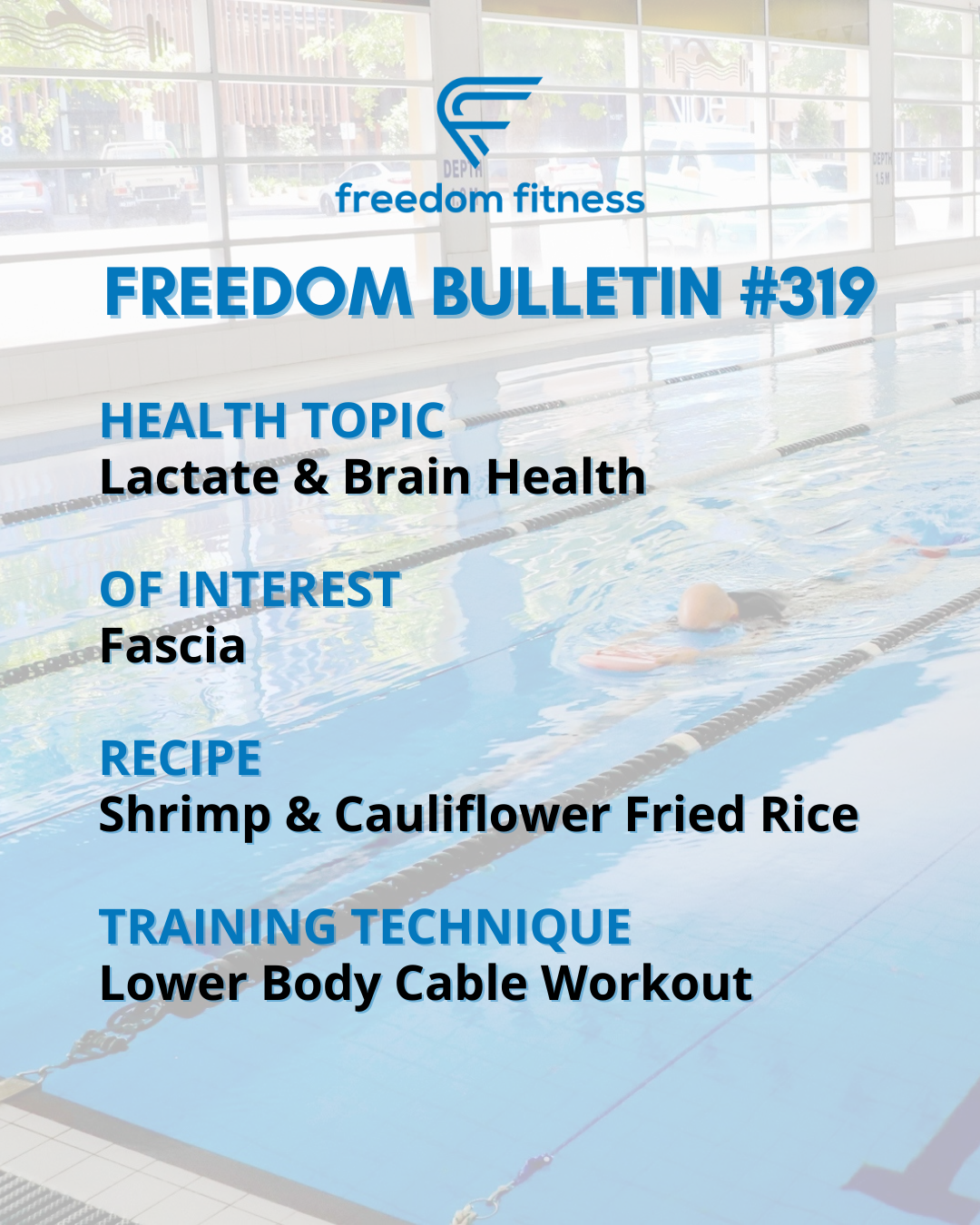
In this bulletin we discuss Lactate & Brain Health. . .

Barbell Training